Everything about the Zwolle bitcoin pancake ship: paying at restaurants, the location on Pletterstraat, and the broader Zwolle bitcoin community.
Can you pay with bitcoin when ordering a pancake in Zwolle? To many, that sounds like a hypothetical question, but in Zwolle it is simply everyday practice. Zwolle Bitcoin City lists Het Pannenkoekschip on Pletterstraat in its overview of businesses where you can settle your bill with bitcoin. This article is about the Zwolle pancake ship bitcoin: how paying with bitcoin works in the hospitality industry, what wallet you need, what the Pancake Ship means for the Zwolle bitcoin community, and how you can use it yourself. No theory, just practice.
Table of contents
Pannekoekenschip Zwolle bitcoin: The Connection
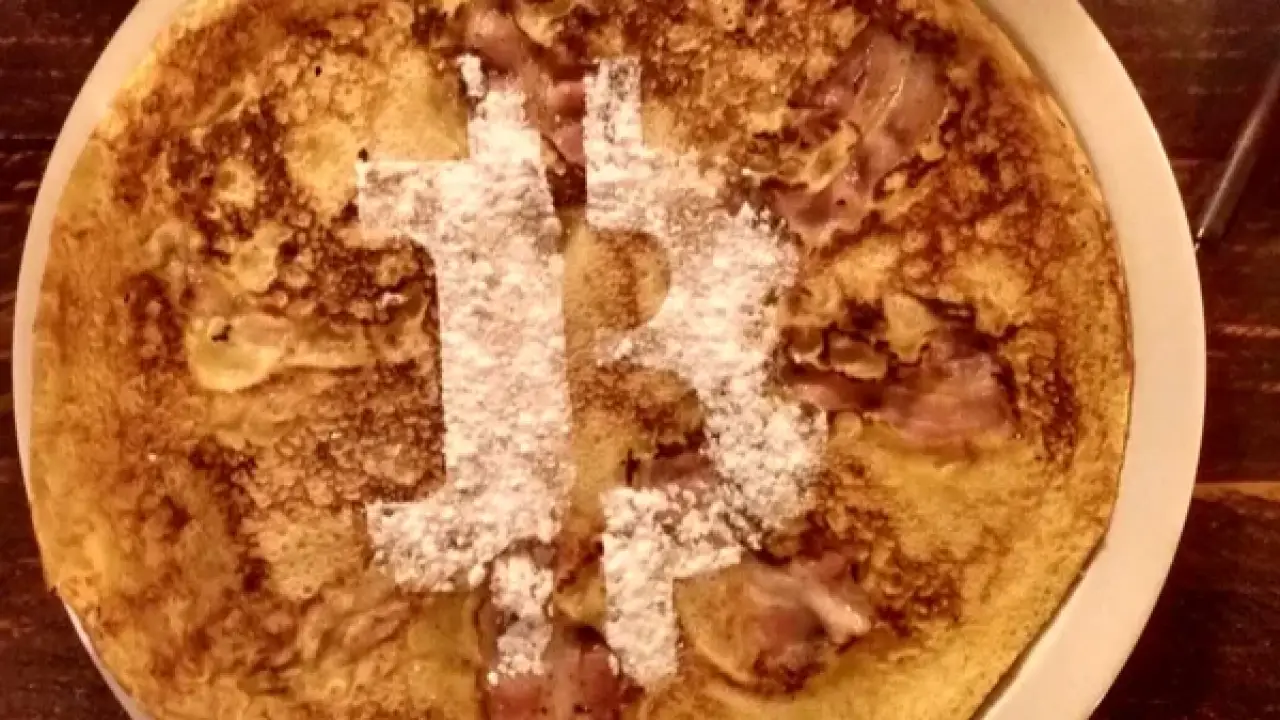
Zwolle Bitcoin City lists ’t Pannenkoekschip in its directory of businesses in the city where you can pay with bitcoin. The broader Zwolle community is also listed on BTCMap, an open-source map of bitcoin-accepting businesses worldwide maintained by volunteers. You can find the community listing for Zwolle at btcmap.org/community/zwolle-bitcoincity, verified in January 2026.
The Pancake Ship also served as one of the locations of the bitcoin Meetup Series in Zwolle. These meetups bring together bitcoin users from Overijssel and the surrounding area every two months at various locations throughout the city. It’s no coincidence that the Pannekoekenschip was one of those locations: the restaurant is part of a broader movement among Zwolle entrepreneurs who take bitcoin seriously as a form of payment and aren’t waiting for others to catch on.
The address is Pletterstraat 6 in Zwolle. The restaurant is located on the water, in the heart of the city. Anyone searching for “Pannekoekenschip Zwolle bitcoin” will find a location that’s part of a larger network of bitcoin-friendly businesses in Overijssel. It’s exactly the kind of place where the story of the Zwolle bitcoin pancake ship comes to life: a regular pancake, paid for with satoshis.
How does bitcoin payment work at a restaurant?
That’s the question newcomers ask most often, and the answer is simpler than you might think. In most cases, paying with Bitcoin at a restaurant is done through the Lightning Network: a payment network built on top of the Bitcoin blockchain. Lightning makes payments fast (in milliseconds), inexpensive, and suitable for small amounts like lunch or a cup of coffee. That’s where on-chain Bitcoin payments have historically been less convenient.
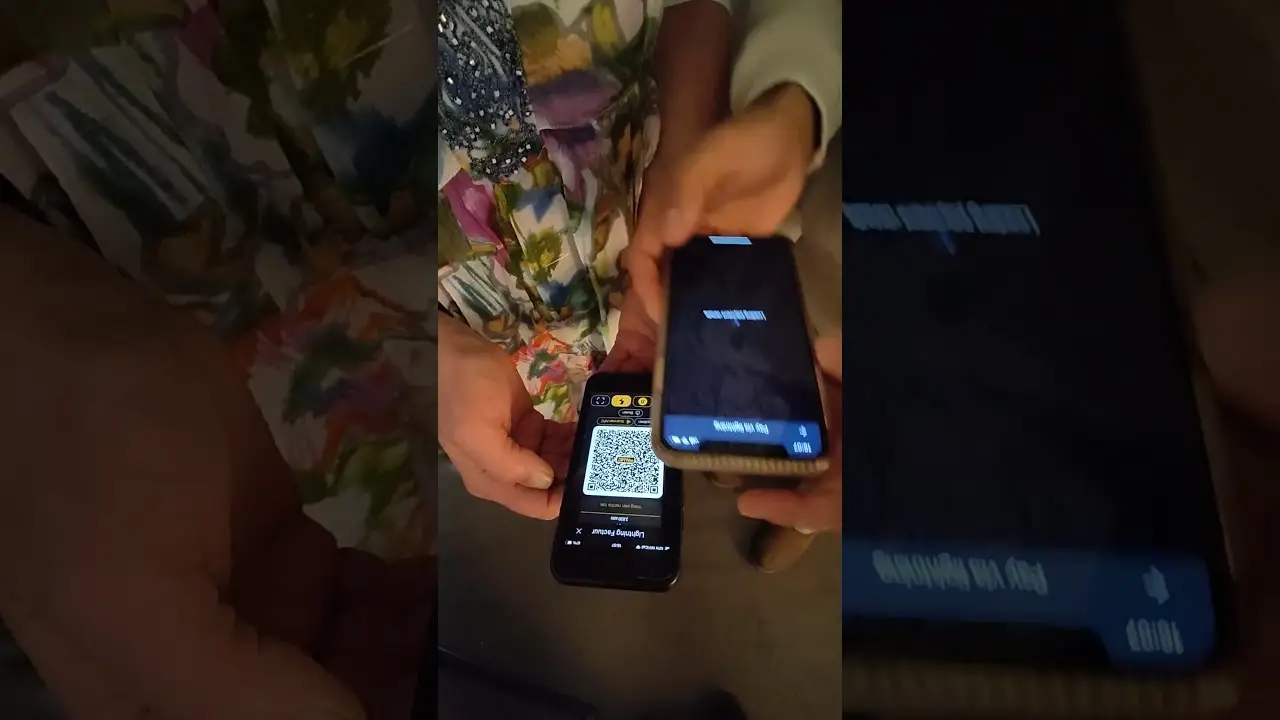
Here’s how it works in practice: you open your bitcoin wallet on your phone, the clerk displays a QR code via the register or a terminal, you scan the code, and confirm the payment. There’s no wait time, no high transaction fees, and no reliance on a bank or payment processor. That’s exactly why the Lightning Network is the standard for everyday payments in bitcoin.
Restaurants and bars that accept bitcoin use a Lightning terminal, an application or device that connects to the Lightning Network and processes payments in satoshis. There are several implementations available, ranging from open source to commercial, and the choice varies by business owner. What the customer sees: a QR code, a scan, and a confirmation. It’s that simple in practice.
What is a satoshi, really?
When you buy a pancake for ten euros, you don’t pay in whole bitcoins. You pay in satoshis. A satoshi, or “sat” for short, is the smallest unit of bitcoin: one hundred-millionth of a bitcoin. A whole bitcoin therefore consists of 100,000,000 satoshis. It’s named after Satoshi Nakamoto, the anonymous creator of bitcoin.
For everyday payments, think in sats, not in bitcoin. Your wallet automatically converts it to euros, so you can see exactly what you’re paying. So at the Pannekoekenschip, you won’t see any complicated numbers with eight decimal places: you scan, you see the amount in euros, and you confirm. The satoshis are handled in the background. That’s exactly what makes Lightning so useful for small amounts.
Lightning Network in the Hospitality Industry: How It Works in Practice
There’s a pitfall people run into when they first try to pay with Lightning at a restaurant: they try to use a custodial wallet on an exchange, and that often doesn’t work well, or at all. You’ll have the best experience with your own self-custodial Lightning wallet on your phone. Consider apps like Phoenix, Breez, or Wallet of Satoshi. That way, you’re in control, and payments work anywhere Lightning is accepted.
The underlying principle of Lightning isn’t complicated: instead of recording every transaction on the Bitcoin blockchain, payments are processed through channels that you set up with counterparties. All traffic through those channels is carefully tracked, but the final result is only recorded on the blockchain when a channel is closed. This results in significant savings in terms of speed and cost, and enables microtransactions of just a few cents.
For those who want to use bitcoin regularly as a payment method, including at stores and restaurants like the Pannekoekenschip, a hardware wallet is the logical next step. A hardware wallet is a physical device that stores your private keys offline. You can use it in combination with Lightning wallets for everyday payments and for storing larger amounts over the long term. On the hardware wallets category page Here BitcoinStuffStore you will find an overview of wallets that we tested before they were added to our range. No hardware wallet that we do not know, no compromises.
Which Lightning wallet should you choose for Pannekoekenschip Zwolle bitcoin?
The wallet you choose determines how smoothly the payment process goes. For a payment at the register, you want a Lightning wallet that opens quickly, scans a QR code instantly, and doesn’t give you any trouble when it comes to adding funds. Three apps are the most common in the Netherlands, and they differ in one key aspect: who manages the keys.
- Wallet of Satoshi. Custodial, meaning a third party manages the keys for you. Easy to set up and ideal for making your first Lightning payment. Great for getting started, but not for storing all your assets.
- Phoenix. Non-custodial: you hold the keys, the app manages the channels in the background. The balance between convenience and self-management is strongest here. Our preference for daily use.
- Breez. Also non-custodial, featuring a built-in podcast and point-of-sale function. Slightly more for the advanced user who wants to get more out of it.
The common thread: start with custodial storage to get the hang of it, then transition to self-custody. Not your keys, not your bitcoin. That applies just as much to a ten-euro pancake as it does to your piggy bank. Anyone who sees the “Pannenkoekenschip Zwolle bitcoin” as a stepping stone to true self-management can take the next step with a hardware wallet.
Step by step: How to get rid of bitcoin
The first time feels exciting, after that it's routine. This is how a payment proceeds from beginning to end:
- Deposit some satoshis into your Lightning wallet in advance, for example, from home via an exchange or another wallet. That way, you won't have to wait in line at the checkout.
- At checkout, ask if you can pay with bitcoin or Lightning. The employee will generate a QR code at the register or terminal.
- Open your wallet, tap scan, and point your camera at the QR code. The amount will automatically appear in euros and in satoshis.
- Check the amount and confirm. Within a second, the employee will see the payment come in.
- Done. No debit card, no signature, no waiting. You've just made a real bitcoin payment at a restaurant or bar.
Doesn't it work for once? Usually it's due to an empty wallet or a custodial app blocking the payment. A self-custodied wallet with some balance on it usually solves that in practice.
Common Mistakes to Avoid When Making Your First bitcoin Payment
Most bumps during a first payment can be avoided. A few things we often see:
- Empty wallet at the checkout. No payment without a balance. Prepare some satoshis in advance, then you won't be left waiting.
- Using a custodial exchange app. Some exchanges do not allow Lightning payments to be sent externally, or require additional steps. A separate Lightning wallet works more smoothly.
- Scanning the wrong QR code. A Lightning invoice is different from an on-chain bitcoin address. Your wallet can tell the difference, but be sure to scan the code that the employee shows you, not an old one from your history.
- No internet. A payment needs a moment to connect. If you are in a basement without reception, use the business's Wi-Fi.
None of this is complicated. Do it once at home with a small amount to your own wallet, and then you'll know exactly what you're doing at the register.
Why do restaurants in Zwolle accept bitcoin?
The reason varies from business owner to business owner, but a few arguments come up time and again. First: lower transaction costs. Debit card payments cost business owners an average amount per transaction, plus fixed monthly fees for the payment terminal and the service provider. Lightning Network transactions cost almost nothing. For small amounts, such as a lunch, that difference adds up over time.
Second: independence. Bitcoin never stops. There are no iDEAL outages, no payment processor downtime, and no dependence on a system beyond your control. Business owners who take that argument seriously choose bitcoin as a supplement to their existing payment options, not as a replacement.
Third: the community. A BTCMap listing attracts customers who consciously choose bitcoin-friendly locations. These customers are loyal and spread the word. For restaurants like the Pannekoekenschip, which are part of the Zwolle Bitcoinstad network, this is a subtle yet effective way to build awareness among a specific target audience.
Bitcoin, Not Crypto: Why That Difference Matters
When an entrepreneur says he accepts bitcoin, he means bitcoin. Not just some random “coin of the week.” That distinction isn’t just semantics, it’s the essence of it. Bitcoin has no company behind it, no board of directors that changes the rules, and no supply that someone secretly manipulates. 1 bitcoin remains 1 bitcoin. That’s why serious entrepreneurs dare to rely on it for their payment transactions.
The rest of the market, all the other coins, is just noise to us. At BitcoinStuffStore, we don’t sell shitcoins, and we don’t give price advice. We show you how to use and securely store bitcoin, and that’s exactly what a place like the Pannekoekenschip puts into practice: bitcoin as money, not as a gamble. Once you see that, you can’t unsee it.
Zwolle Bitcoin City: the broader picture
The Pannekoekenschip isn’t a standalone project. It’s part of Zwolle Bitcoinstad, a community initiative in which 14 businesses in Zwolle accept bitcoin as a form of payment. The community is organized by Mario Zijlstra, owner of BitcoinStuffStore, and is affiliated with the national bitcoin meetup network via meetup.com/bitcoinmeetup/ (over 1,200 members). On zwollebitcoinstad.nl you will find the current agenda, the map of participating companies, and information about workshops and meetings in 2026.
The growing list of businesses shows that bitcoin in Zwolle is not a niche trend. It is a practical choice made by entrepreneurs who believe in bitcoin as a legitimate form of payment. Every business that joins the network helps expand the circular bitcoin economy in the city. The more places that accept bitcoin, the more normal it becomes to actually spend your satoshis rather than just holding onto them.

Other bitcoin locations in Zwolle
Once you know how the Pannekoekenschip Zwolle bitcoin works, you’ll often want more. Fortunately, the Pannekoekenschip isn’t the only place in town. Here are a few well-known names from the network:
- Mr. Jan, Nieuwe Markt 4. Centrally located on the square, it’s a great spot to make your first restaurant or bar payment using bitcoin.
- Hofkamer. Part of the Zwolle network of businesses that accept bitcoin.
- Orphanage, Assendorperstraat 6. Outside the center, in the charming Assendorp neighborhood.
The complete, up-to-date map is at btcmap.org/community/zwolle-bitcoincity and up zwollebitcoinstad.nl. Useful to check before you head out, because a network like this grows and changes.
Our own experience with bitcoin payments in Zwolle
We are not writing this from the sidelines. The Zwolle bitcoin community is organized by BitcoinStuffStore, and we have attended the meetups and visited entrepreneurs ourselves. The miners and hardware wallets that we sell are tested before they hit the shelf. That is the difference compared to a store that merely resells.
What stands out when you pay with satoshis in Zwolle: the first time feels special; the second time, it’s just like any other payment. No debit card that doesn’t work, no waiting, just scan and you’re done. It’s exactly that feeling that makes the story of the Zwolle bitcoin pancake ship so powerful. It’s not a slogan. It’s a conclusion you’ll draw for yourself as soon as you’ve done it once.
What if the Pannekoekenschip doesn't accept bitcoin right now?
Let’s be honest: a payment status can change. A terminal might break down, a business owner might switch systems, or a location might temporarily suspend the bitcoin option. So don’t just blindly head to Pannenkoekenschip Zwolle bitcoin, be sure to check first. Call the restaurant, check the calendar on zwollebitcoinstad.nl, or verify the current status on BTCMap. If it’s not listed as active, there are plenty of alternatives in Zwolle where you can pay with satoshis. That way, you’ll never be caught off guard, and you’ll stay in control of your payment.
Frequently Asked Questions About the Zwolle Pancake Ship bitcoin
Paying with bitcoin at a restaurant in Zwolle is no longer an experiment, it’s simply a reality. Pannekoekenschip Zwolle bitcoin is one example of this, and it’s not the only one. The story of Pannekoekenschip Zwolle bitcoin shows that paying with bitcoin in Zwolle is no longer an exception, but simply part of what the city has to offer. Zwolle, a Bitcoin city, is home to 14 bitcoin-friendly businesses and an active community that meets regularly. If you’re in Zwolle, bitcoin is right at home there.
From the shop
Ready to get started?
Everything covered in this guide is in the shop.