Table of contents
- What is the Start9 Server One?
- Who is this for, and who is it not for?
- What you get: hardware and StartOS
- Sovereignty in practice
- Honest cons
- Alternatives
- Start9 Server One review: is the price worth it?
- Frequently asked questions
Do you want to run your own bitcoin node but don't feel like spending hours on the command line, going through tutorials on Raspberry Pi images, and manually troubleshooting configuration issues? Then the Start9 Server One is the quickest way to independent bitcoin validation.
In this Start9 server one review, we take a sober look at what the device does, what StartOS entails, what you pay for it, and where the real catches are. Because they are there too.
Factbox: Start9 Server One
| Price | See the product page |
| Inventory | In stock |
| Processor | AMD Ryzen 7 5825U |
| Memory | 16 of 32 GB DDR4 |
| Storage | 2 or 4 TB NVMe SSD |
| Power consumption | 10 to 25 watts at 24/7 |
| Ports | USB 3.0, USB 2.0, USB-C 3.1, HDMI, RJ45 |
| Dimensions | 11.4 x 10.6 x 3.75 cm |
| Operating system | StartOS (managed via web interface) |
| Order | bitcoinstuffstore.com/product/start9-server-one/ |
What is the Start9 Server One?
Direct definition: The Start9 Server One is a ready-to-use hardware device that lets you run a full bitcoin node at home, without using the command line. It runs on StartOS, Start9’s open-source operating system, which provides plug-and-play access to Bitcoin Core, Lightning Network, and related services via a web interface. The device is available from BitcoinStuffStore. The current price is listed on the product page.
You connect the device to power and the internet, go through a short setup via the browser, and your node is running. No terminal, no SSH, no manual package management. That is the promise of Start9, and for the most part, that is a fair promise.
Who is this for, and who is it not for?
The Start9 Server One is designed for a specific type of person: someone who understands why having their own node is important but doesn’t want to get into technical details. You understand the principle of self-validation; you know that “not your keys, not your coins” also applies to node dependency; and you simply want it to work without having to troubleshoot on a Saturday morning.
Who is it less suitable for? If you are already fluent in Linux, have a Raspberry Pi lying around, or are willing to invest a few weekends, then DIY is a serious alternative. A Pi 5 with Umbrel or RaspiBlitz costs a fraction of what the Server One costs, provided you bring the time and knowledge. The Server One doesn't ask for that knowledge, but it does charge a premium for it.
There’s also a question of principle. StartOS is open source, and the code is available on GitHub. But at the same time, you’re purchasing a ready-to-use bundle from a specific company, which offers less hardware flexibility than a node you build entirely from scratch. For many bitcoiners, that’s perfectly fine. For the true DIY enthusiast, it’s a decision you need to make in advance.
What you get: hardware and StartOS
The Start9 Server One comes as a complete unit for 24/7 running at home. The hardware: an AMD Ryzen 7 5825U processor, connections via USB 3.0, USB 2.0, USB-C 3.1, HDMI and RJ45 (gigabit ethernet), and a size of 11.4 x 10.6 x 3.75 cm. Power consumption is between 10 and 25 watts during continuous use. Two configurations are available:
| Configuration | Memory | Storage |
|---|---|---|
| Basis | 16 GB DDR4 | 2 TB NVMe SSD |
| Extensive | 32 GB DDR4 | 4 TB NVMe SSD |
All specifications can also be found on the official product page of Start9.

The device runs StartOS, which is managed via a web interface. This provides access to the StartOS Marketplace: a library of services that you can install with a single click. For bitcoin sovereignty, these are the key components:
Bitcoin Core is the full, validating bitcoin node, the same software that powers the network’s backbone. Upon first startup, the Initial Blockchain Download (IBD) begins, during which your node validates the entire blockchain from the genesis block to the present. Depending on your internet connection, this can take anywhere from hours to days. This is not a hardware issue; it’s simply how bitcoin works. Anyone who understands this before ordering the device won’t be disappointed.
Lightning Network It is available through the StartOS Marketplace, with a choice between LND and Core Lightning. From your own node, you can send and receive payments via the Lightning Network without having to rely on a third party to connect to the network.
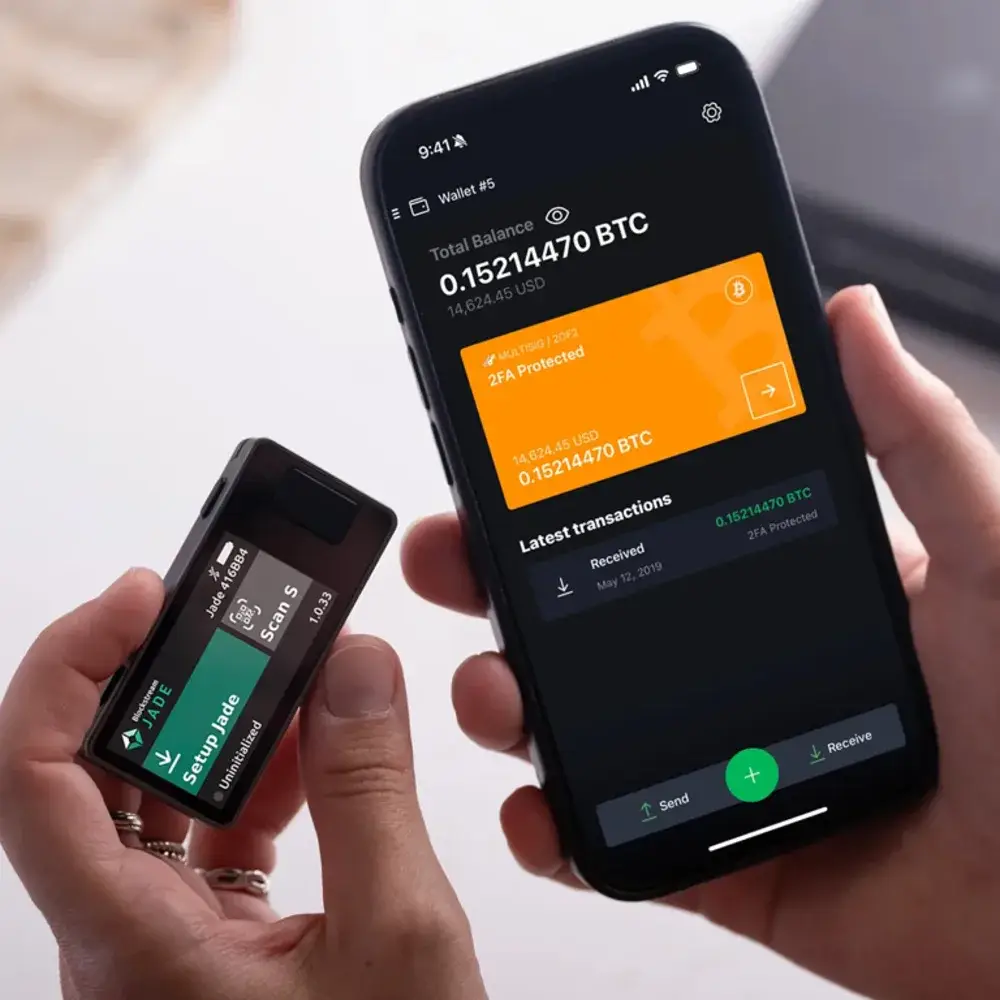
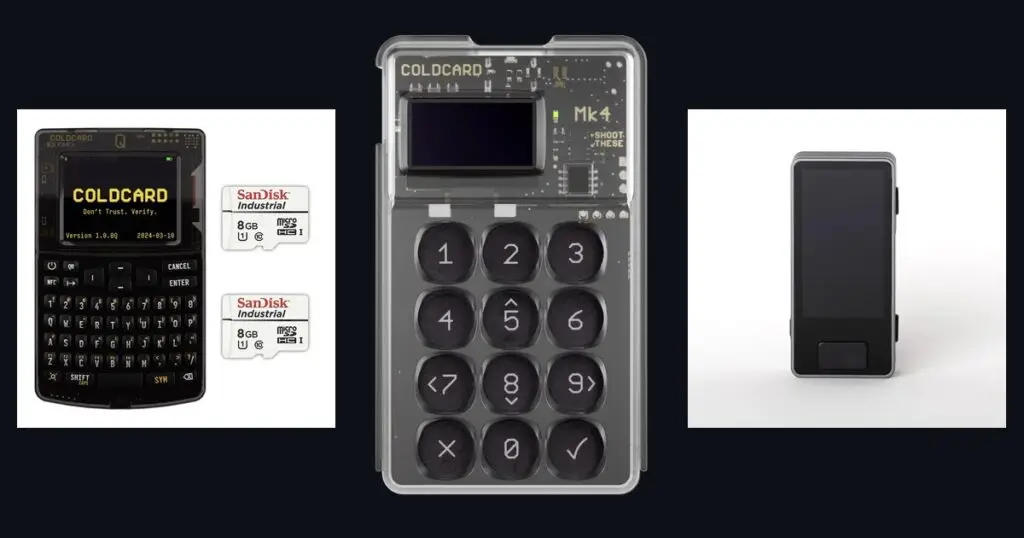
Fulcrum You can install it via the marketplace as Electrum Server, allowing you to connect your hardware wallet, Coldcard, Jade, or similar device to your own node. This completes the sovereignty chain: your own keys, your own node, your own validation. No external server is monitoring your transactions.

The marketplace also offers non-Bitcoin services, but those are outside the scope of a bitcoin node review.
Sovereignty in practice
This is the core of why you run your own node, and the Start9 Server One makes it concrete.
When you send a bitcoin transaction via your hardware wallet, that wallet asks a node to confirm that the transaction is valid and to verify your balance. If you don’t have your own node, you’ll request this from someone else’s server. That party will see which address you’re sending from, how much, and when. That’s information a serious bitcoiner user would rather not share. It’s not just about privacy as an abstract principle. The point is that an exchange, wallet provider, or government agency could one day see exactly which address belongs to you, what your balance is, and when you make payments.
With your own node, you decide that for yourself. You validate each block yourself, based on the bitcoin rules you set. No trust required, no third party eavesdropping, no exchange or wallet provider tracking your financial activity. In fact, if a majority of miners ever tried to change the rules, it would be your node that refuses to accept it. That’s not just a slogan. That’s how the protocol works.
“Don’t trust, verify” is a principle. Running your own node is the execution. The Start9 Server One makes that execution accessible to people who know the principle but do not want to take the technical route. The Start9 documentation site includes detailed guides for every step of the setup process, from the initial sync to connecting your hardware wallet to Fulcrum.
Honest cons
An honest review also mentions what is not ideal.
Price. That’s a significant amount of money for a node. For that price, you could buy a good hardware wallet, a steel backup unit, and still have money left over. For the technically savvy bitcoiner user with a Raspberry Pi in a drawer, building your own is a realistic alternative. The Server One commands a premium for convenience and the support provided by Start9 as a company.
Hardware freedom. StartOS is open source and you can audit the code. Start9 publishes the main components of the device, but it is a ready-made bundle from a commercial company. You have less hardware freedom than with a fully self-built node. For the maximalist who wants complete transparency regarding every component, DIY is the cleaner choice.
Dependency on the StartOS ecosystem. If Start9 ever discontinues its services, closes its marketplace, or an update causes problems, you’ll be partly dependent on their response. Bitcoin Core itself is an open protocol and neutral, but the StartOS layer surrounding it belongs to a specific provider. That risk is real, even though it works well today and the community is active. Keep that in mind as you weigh your options.
Initial blockchain download. This isn't a criticism of Start9; it's just how bitcoin works. But anyone who expects to turn on the device and immediately be able to use their Lightning wallet will be disappointed. Expect a wait of anywhere from a few hours to a day or more, depending on your connection and the size of the blockchain at that moment. Once it’s synced, your node runs completely independently and validates every new transaction on its own.
Alternatives
The direct alternative is DIY. A Raspberry Pi 5, an external SSD, and a software layer like Umbrel, RaspiBlitz, or MyNode give you a functionally comparable node for significantly less money, provided you are willing to do the installation and maintenance yourself. That is a fair choice if you have the technical background. The technical barrier is real but surreptible for anyone willing to spend a weekend on it.
For those who find the technical route too steep but also the price too high: a lightweight SPV wallet is not a full alternative. SPV stands for Simplified Payment Verification: you do not validate the full blockchain yourself, but only check whether a transaction is included in a block via the block headers. You are less dependent than with a custodial wallet, but you still leak metadata to the server you connect to. That server knows which addresses you are requesting. It is an intermediate solution for those who have no other choice, not a replacement for true node sovereignty.
We sell the Start9 Server One in the category Gadgets for those who choose the ready-made path. It’s not a product for everyone, but for the right bitcoiner, it’s the most direct path to true node sovereignty.
Start9 Server One review: is the price worth it?
The Start9 Server One is a solid product designed for a specific target audience. It solves a specific problem: running your own bitcoin node via a web interface, without using the command line. StartOS has come of age, the marketplace is up and running, and the Start9 community is active. The plug-and-play promise has largely been fulfilled.
The price is high compared to DIY, but that is a different comparison than most people make. You aren't paying for the hardware alone. You are paying for the convenience, the avoided hours of installation misery, the integrated marketplace, and the support of a company that focuses entirely on this product. The AMD Ryzen 7 5825U, the NVMe SSD options, and the low power consumption of 10 to 25 watts also make this a technically serious unit for long-term use.
For tech-savvy bitcoiner users who have the time and enjoy building things themselves: consider the DIY route first. For those who just want it to work and want control without getting into the technical details: the Start9 Server One delivers on its promises.
Frequently asked questions
From the shop
Ready to get started?
Everything covered in this guide is in the shop.